Watch
Perfect Permaculture Fish Pond Video
permaculturenews.org
Open resource Living LandscapesDESIGN
Module 13 / 25
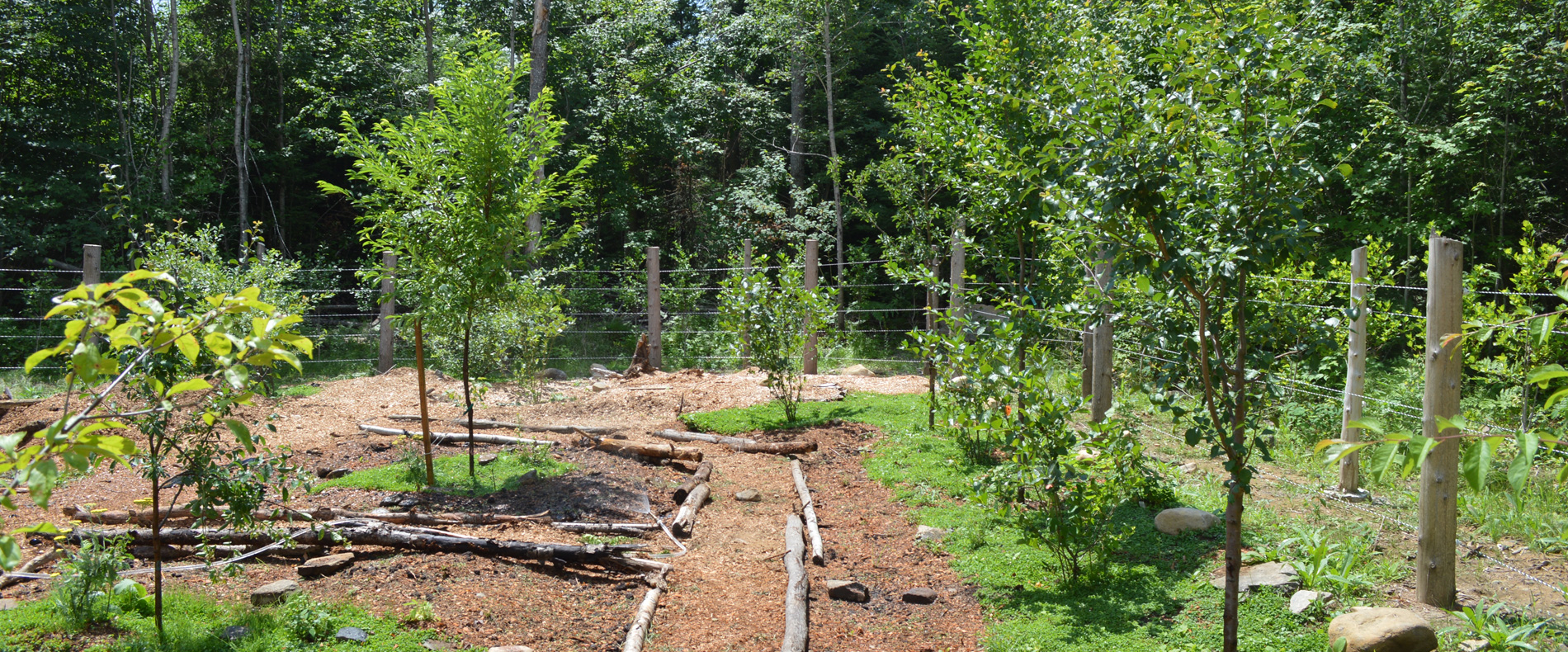
Aquaculture extends the study of relationships among plants and animals into water. The pond and food-web resources introduce an ecological way to look at aquatic systems, while the chinampa and aquaponics examples present different approaches to cultivation.
As you move between these examples, consider what each system needs to keep functioning. The module’s comparison asks you to examine water supply, oxygen, nutrients, energy, organisms, and ongoing care, so that any aquatic feature you consider has a place in the wider design.

What you’ll learn
Use your own copy, buy the book, or borrow it through a library when possible. If you are local to me, contact me about borrowing a copy. You can also contact me for information about digital or other access to assigned readings.
If your edition uses different page numbers, contact me and we can match the correct section.
For articles, excerpts, videos, and other resources, use the links in the lesson. If a video player does not load, try its source link. If you cannot access a reading or media resource, or it has no link, contact me with the module number and resource title.
Ask about books, readings or media access ↗Watch the opening pond and aquaculture examples with attention to the organisms shown and the conditions they depend on. The food-web resources then focus on feeding relationships. Use those relationships when comparing the pond examples with the chinampa and aquaponics systems.
Watch
permaculturenews.org
Open resourceWatch
YouTube
If the player does not load, use the source link.
Watch
YouTube
Follow the feeding relationships in the video, then trace the connections in the Aquatic Food Web Diagram.
If the player does not load, use the source link.
Watch
PBS
Open resourceRead
tpwd.texas.gov
Open resourceWatch
YouTube
Use the chinampa example when comparing cultivated aquatic systems, with attention to the relationship between growing areas and water.
If the player does not load, use the source link.
 Open full-size image
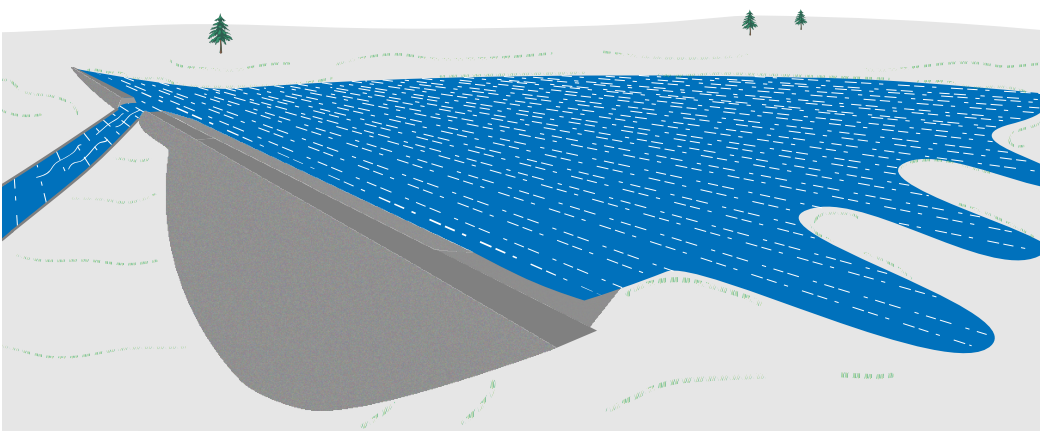
The inlets and projecting edges increase contact between land and water. Compare this shoreline form with the chinampa example, paying attention to growing space, shallow water, and access.
As you work through this section, compare a pond, a cultivated wetland, and a recirculating aquaponics system: water supply, oxygen, nutrients, energy, suitable organisms, and ongoing care. Develop the comparison in your existing design notes, keeping any aquatic feature as an option with its constraints identified.
Book reading
Jessi Bloom and Dave Boehnlein
Pages 264 to 265: A short introduction to aquaponics
Book access & editionsRead
permacultureprinciples.com
Open resourceWatch
permaculture.org.uk
Open resourceWatch
YouTube
The book introduction and Aquaponics Tour establish the components to consider. This video focuses on startup: follow the development of nitrifying bacteria and the changes in ammonia, nitrite, and nitrate while the system is cycling.
If the player does not load, use the source link.
Watch
YouTube
Compare the startup phase with the recurring work shown here, including fish care, water checks, pumps, aeration, and solids removal. Distinguish an establishment problem from a task that remains part of routine operation.
If the player does not load, use the source link.
Recirculating water still needs replenishment. Water leaves through evaporation, plant uptake and transpiration, splashing, leaks, cleaning, and solids removal. Reducing unnecessary exposed water can limit evaporation, but covers must not prevent aeration or gas exchange. Exposed water area is a different consideration from the surface available for bacteria in a filter. A cycled system still needs care and can become unbalanced when conditions change. Include these water, energy, and maintenance requirements in your pond–wetland–aquaponics comparison.
Optional · Deeper reading
extension.okstate.edu
For more detail on nitrification, monitoring, and solids management, consult this guide after the videos. Nitrite is NO₂⁻ and nitrate is NO₃⁻; Table 2 and a sentence in the nitrate section contain incorrect labels. Use the reading to examine system requirements, not as a dosing or stocking procedure.
Open resource