The plant relationships you have been studying also involve animals. Here you’ll consider both managed animals and wildlife, looking at their needs, their effects on a site, and the care involved in including them in a design.
The farm examples and grazing reading introduce several approaches to managing those relationships. The beneficial-animal reference then shifts attention to habitat and wildlife. Use these perspectives to prepare for a discussion of which animal relationships fit the conditions and responsibilities of your own project.
Topics
Designs that integrate plants and animals (alley cropping, rotational grazing, etc.)
Roles and habitats of small and large livestock
General husbandry: Food, hygiene, health care, protection, reproduction
Breed selections: Needs, yields, and characteristics
Land management
What you’ll learn
Learning goals
A basic understanding of care for diverse species of animals
Awareness of animal impacts on the land and how to use them in a positive manner
Know how to attract beneficial wildlife
Read, watch & explore
Getting the books · access & editions
Use your own copy, buy the book, or borrow it through a library when possible. If you are local to me, contact me about borrowing a copy. You can also contact me for information about digital or other access to assigned readings.
If your edition uses different page numbers, contact me and we can match the correct section.
For articles, excerpts, videos, and other resources, use the links in the lesson. If a video player does not load, try its source link. If you cannot access a reading or media resource, or it has no link, contact me with the module number and resource title.
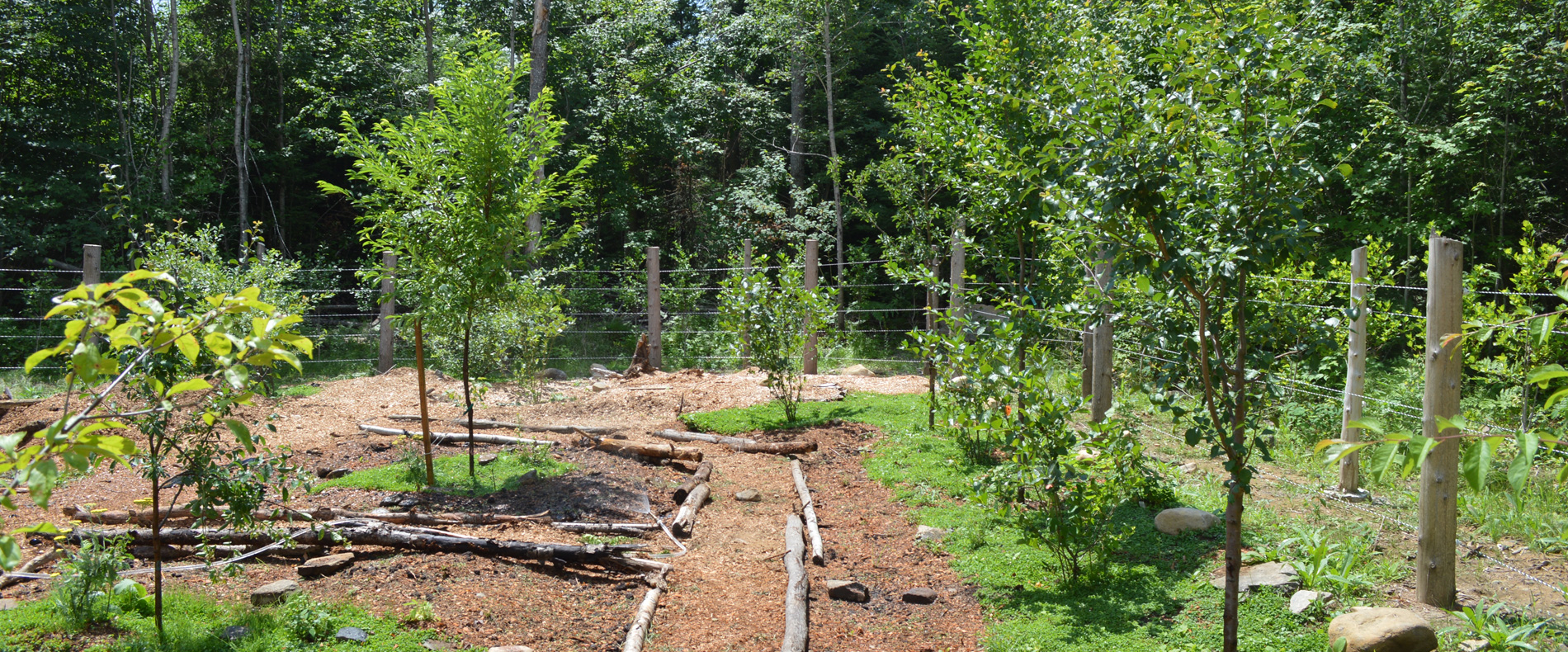
Begin with this introduction to grazing among trees, then examine the “Silvopasture — USDA Climate Hubs” case. Compare the relationships among trees, forage, animal movement, and care when considering whether managed animals fit your site and responsibilities.
Exercise 1 records the needs and yields of design elements. Use that approach while watching: consider what the animals require, what they contribute, and how those relationships affect placement and access.
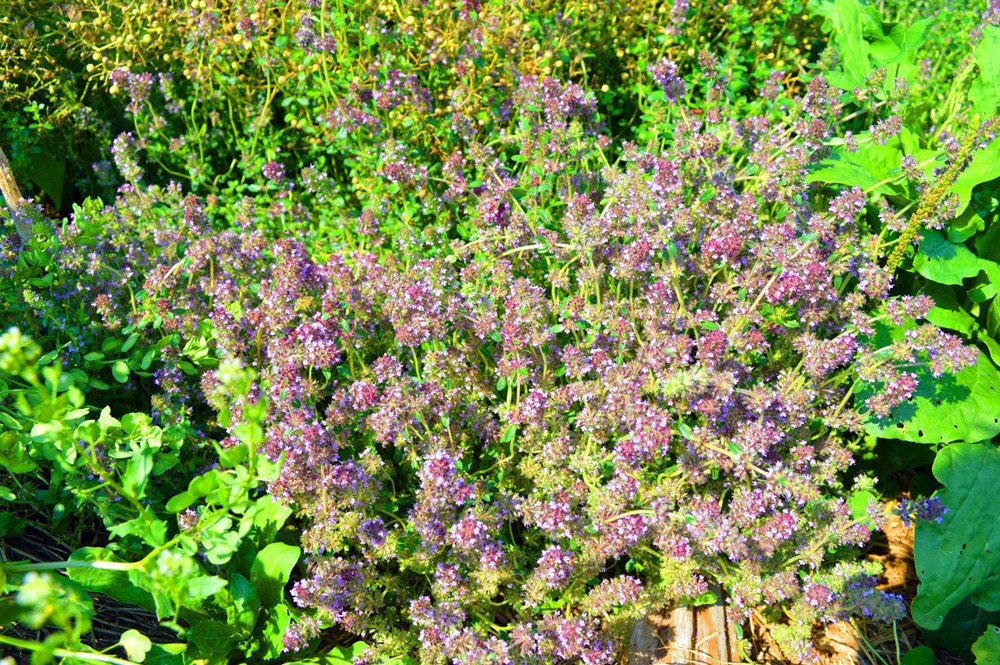
Flowering plants form part of the habitat available to insects in a mixed garden. Use the beneficial-animal reference to consider flower structure, flowering season, and other habitat needs when selecting plants.
Source: Living Landscapes Design portfolio.
What to prepare
Discussion notes explaining whether managed animals fit your site and how the design will support beneficial wildlife.
Save written notes as a document or PDF. For paper maps or handwritten notes, use a clear photo or scan. You can combine related work in one file.
Share & discuss
Attach your animal-integration and wildlife notes.
Email the address listed under “Get In Touch” on my contact page. Do not use the contact form. Include the Permaculture Design Course, Module 12, and “Animals in your design” in your subject or message.
Edible Forest Gardens, Volume 2Dave Jacke and Eric ToensmeierPage 563: skim section and note as ongoing resourcePages 563 to 568: beneficial-animal niches; consult the tables that follow in that appendix for animals relevant to your siteIn lesson ↑